
the emdr group
owned + operated by
Janessa Hershman, MS LPC
about us

Shine A Light
We believe trauma isn't a life sentence. So much of the pain people carry—the patterns that repeat, the trust that feels impossible, the sense of being stuck in a story you never chose—isn't a character flaw or a lack of willpower. It's the nervous system doing exactly what it was built to do: protect you. At The EMDR Group, we start from the conviction that what happened to you shaped you, but it doesn't have to define where you go next. The brain and body that learned to survive can also learn to heal.
That conviction shapes everything about how we work. We don't see people as problems to be managed or symptoms to be quieted. We see them as whole—resilient, capable, and often carrying old wounds that have never had the right conditions to close. Healing, in our view, isn't about forcing yourself to "get over it" or white-knuckling your way through. It's about giving the mind and body a safe, structured space to finally process what they couldn't at the time, so the past stops running the present. Approaches like EMDR exist precisely because talking about trauma isn't always enough; sometimes the work has to reach the places where the experience actually lives.
We also believe healing is never one-size-fits-all. Two people can walk through the same door carrying very different histories, and both deserve care built around who they actually are. That's why our work blends evidence-based methods with genuine attunement to each person—meeting you where you are, whether you're deep into recovery, questioning it, or just beginning to sense that something needs to change. No judgment, no pretense, no expectation that you show up as anything other than real.
Ultimately, The EMDR Group exists to help people break old patterns and build something better. We're here for the moment you decide you're tired of surviving and ready to actually live—and we'll walk with you through the work it takes to get there.
what we do:
changing neural pathways

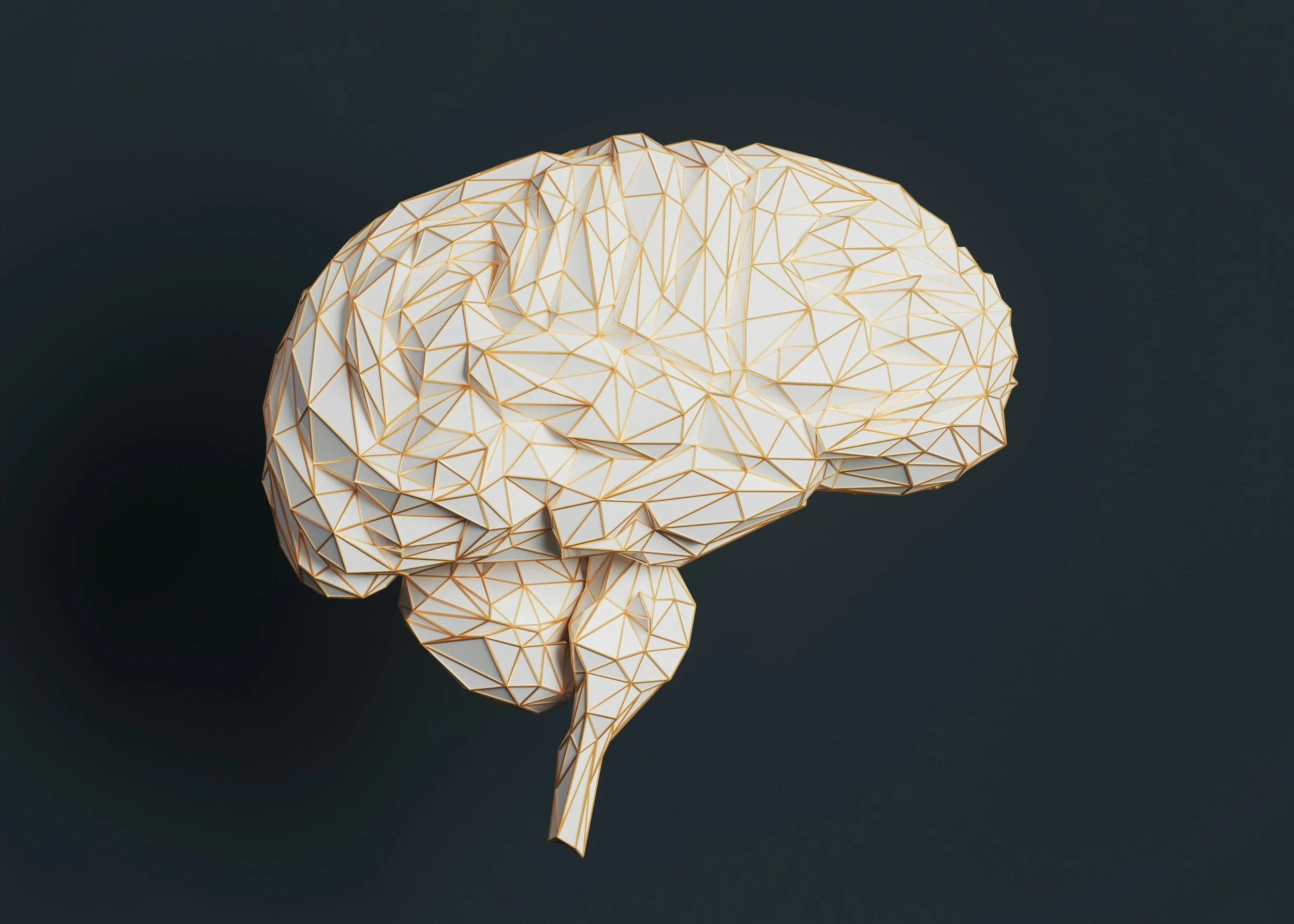

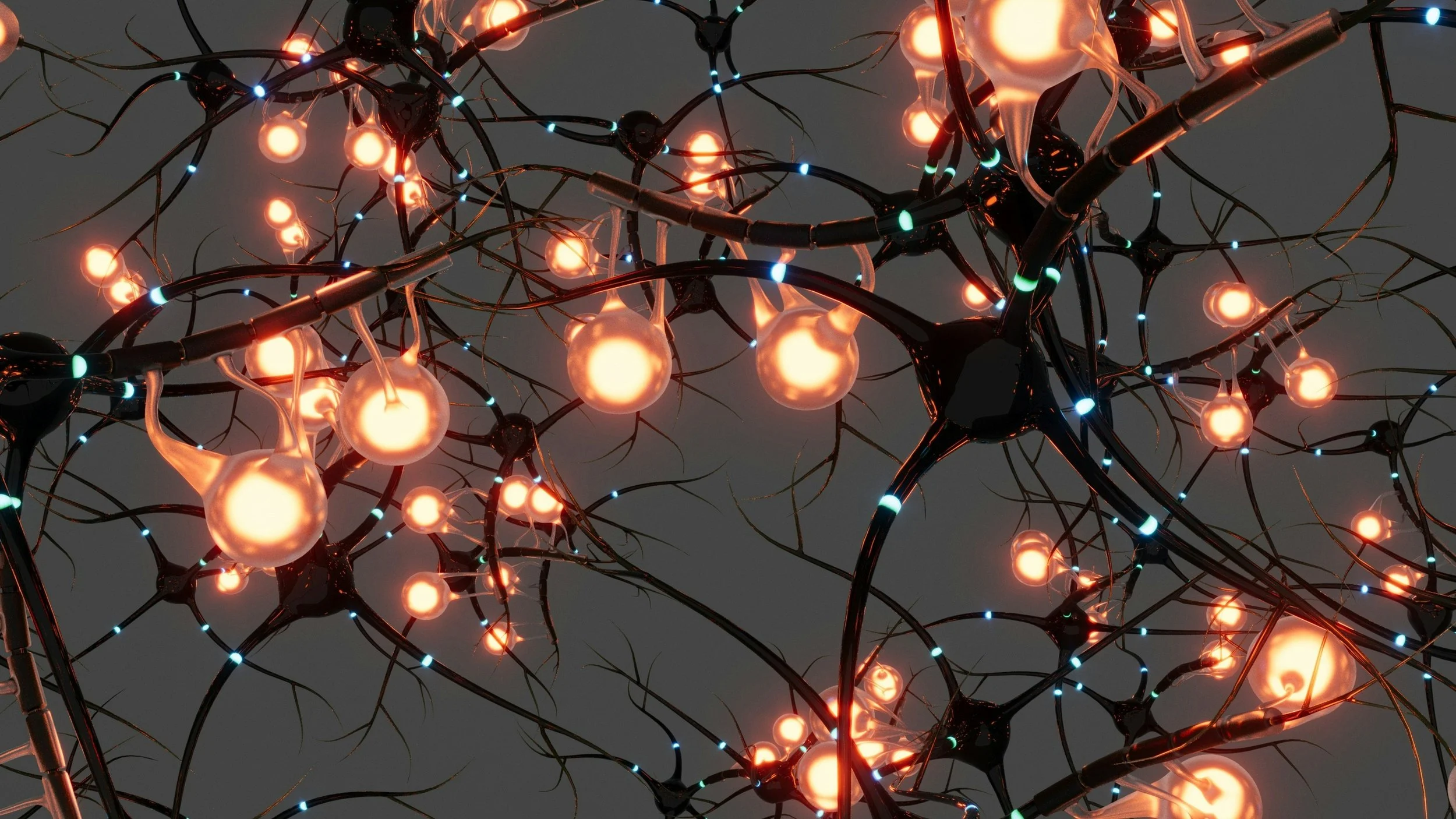
Trauma leaves a physical imprint. When something overwhelming happens, the brain can store that experience in a raw, unprocessed form—wired into the nervous system so that a smell, a tone of voice, or a passing thought can send you right back into the moment as if it were happening now. But the same quality that lets the brain get stuck is the very thing that lets it heal: neuroplasticity, the brain's lifelong ability to form new connections and rewire old ones.
This is the science that makes EMDR work. By engaging the brain's natural processing systems, EMDR helps move a traumatic memory out of that raw, reactive state and into one where it can finally be filed away as something that happened—not something that's still happening. The pathway that once fired with fear can loosen its grip, and new, healthier connections can take its place. Change isn't just possible; it's how the brain is built.
schedule a consultation
Take the first step today.